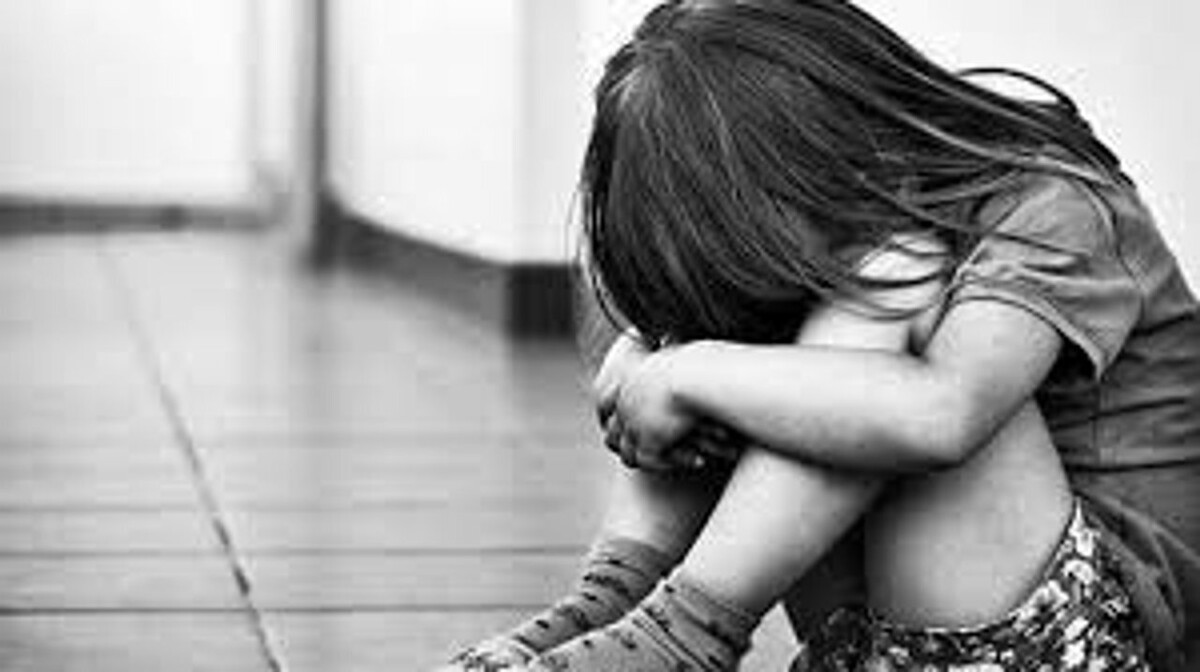
Buenos Aires, November 26 (NA) – An alarming report from the Human Development and Vulnerability Observatory of the Austral University revealed data on the influence that the growing mistreatment and violence to which children and adolescents are subjected, mostly by their own relatives, has on suicidal ideation. On World Children's Day, research by Lorena Bolzon, María Sol González, and Victoria Bein warned about the long-term emotional consequences of early parental mistreatment leading to an increase in suicide rates among adolescents and young people. Over the last five years, the most affected group was children aged 6 to 10, and nearly 9 out of 10 affected Children, Adolescents, and Young People (CAY) have a family link with the accused persons. The report highlights that nearly 6 out of 10 affected CAY experience violence daily or weekly. In general, the number of women affected by violence exceeds that of men in almost all age groups. The low number of reports of violence among 11 to 17-year-olds could be explained by the lack of third-party intermediaries to file such complaints. Thus, in 2024, in 92% of the cases filed by third parties, the incidents involved children, adolescents, and young people as the main victims. Empirical evidence consistently shows that child and adolescent abuse and neglect—including physical, emotional, and sexual abuse, and neglect—significantly increase the risk of suicidal ideation and behavior in adolescence and young adulthood. The persistence of verbal aggression and physical punishment, including severe forms, points to the need for educational interventions and public policies that promote effective and respectful alternatives for child-rearing. This is a pending debt for Argentine society, which lacks legislation on child abuse. The constant increase in violence levels among children and adolescents, where aggressors are mostly, though not exclusively, their parents, deserves special attention. Key points From the perspective of the Convention on the Rights of the Child (United Nations, 1989), ensuring adequate housing, education, health, and violence-free environments is not just a social goal but an obligation of the State. The report focuses on housing conditions, education, and health. Overcrowding In terms of housing, a significant proportion of children, especially in early childhood, continue to live in overcrowded or precarious conditions, violating their right to a safe and dignified environment for their development. In education, attendance levels are high, reflecting the impact of the expansion of compulsory schooling; however, unequal access in the early years and the risks of disengagement in adolescence mark pending challenges in educational continuity. Likewise, the deregulation of quotas in the private sector could increase migration to an already weakened state system, whose lower performance in Language and Mathematics and limited absorption capacity raise serious doubts about its sustainability. In health, over 40% of the child population depends exclusively on the public system, which evidences the need to strengthen equity and the quality of health care. Convention on the Rights of Child On November 20, alongside World Children's Day, the adoption of the Declaration of the Rights of the Child (1959) and the approval of the Convention on the Rights of the Child (1989) were celebrated, the most widely ratified international treaty in the world. This Convention recognizes fundamental rights—to life, health, education, play, protection from violence and discrimination, and to have their opinions heard—and commits all of society to their fulfillment.